

To avoid a travel scam, you need not become paranoid and view every single person that crosses your path with doubt. Just be sufficiently aware and alert during every phase of the journey. Doing so protects you from being scammed, and also saves you from an unpleasant experience.
While the idea of exploring a different part of the world is definitely exciting, it also carries a high degree of uncertainty due to the ‘unknown’ factor. Unfortunately, travel scams exist all over the world, and represent the stark reality of what you need to look out for. Usually, scammers rely on their personal ingenuity to scam hapless and clueless travelers. The objective is to earn a financial windfall. A naïve trusting traveler who has ventured out without proper homework easily falls victim to a well-orchestrated travel scam.
The trick is to educate yourself on how to avoid a travel scam. Learn from experience, not just yours but also those of others. When it comes to travel scams, learning from others’ mistakes comes just as handy as learning from your own.
Travel Scams – Types and Solutions
Most travel scams occur at the spur of the moment. This implies that you will have been plundered even before you realize. By the time the realization sinks in, both your money and the scammer will have disappeared from sight, never to be seen again. Awareness plays a crucial role in such situations, as does presence of mind. The onus is on you to be quick-witted enough to read between the lines and avoid a travel scam. If possible, try and turn the situation around in your favor by being smart.
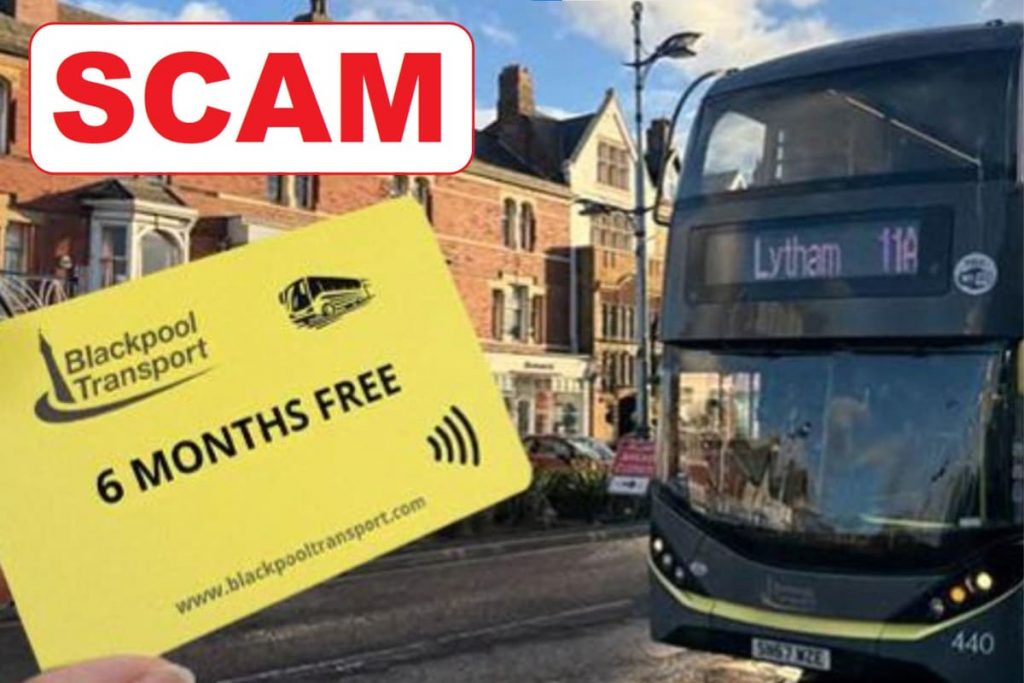
Of course, it takes knowledge and a sharp sense of judgement to avoid a travel scam. Both form an invisible part of your travel kit anyway. Knowledge implies reading up on the types of scams that conmen play on an unsuspecting tourist. Likewise, cultivating a strong sense of judgement during travel prevents you from taking everyone you meet at face value and saving yourself more than a penny or two.
Combine the two, and the outcome presents itself as caution in context of the following aspects –
Overpriced Transport

You are bound to travel from one point to another within the city or the country. This is where scammers take undue advantage. They assume the role of a helpful travel agent who offers to book your tickets. You oblige because it saves you a trip to the crowded station. Much to your dismay the ticket turns out to be for a low-grade seat in a slow train. It ends up being a far cry from the comfortable first-class travel that you had paid for.
Who gives a second thought about hailing a cab? However, you must, in order to avoid a travel scam. One of the most obvious red flags is a broken meter, or unwilling to go as per the meter. In both cases, chances are that the ride would cost much more than what it is supposed to.
Solution:
Check the fares for train/cab before entrusting someone with the task. Online portals, hotel staff and travel forums serve as reliable sources that provide accurate information. Find out the amount and the time taken to reach the destination. Pay the right amount, and find another provider in the event of a disagreement. Your alertness at this point can translate into a safe, pleasant and financially reasonable travel experience.
Non-existent Tour Operators and Dubious Websites
For a moment, assume that you receive a call/email out of the blue informing you about having won a lucky draw which entails a free vacation. Doesn’t it sound like a dream come true? Thrilled as you might be, soon the happiness turns into regret when the ‘free’ vacation does not turn out to be free at all.
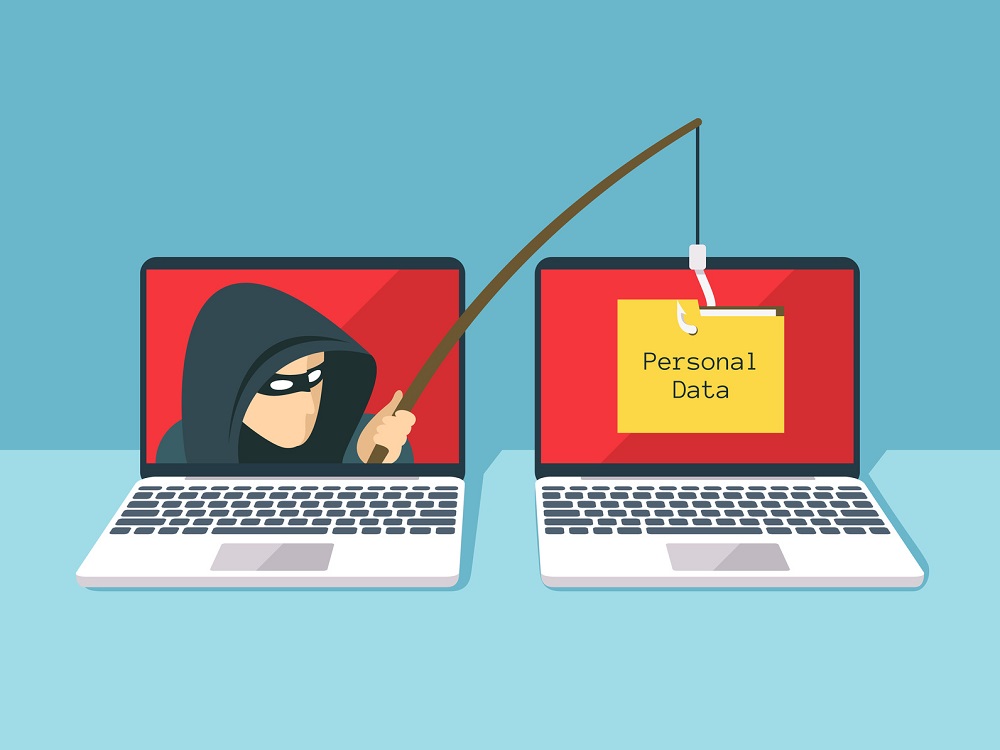
Such offers come with a link for you to click. When you do click what follows is a data breach that puts your personal information at risk. At times the message might provide you with a number to call. The person on the other end would then ask you to pay a certain amount to be able to redeem the holiday. Some might even seek credit card details.
Solution:
Never ever take these messages at face value. All that they intend is to break through your security barrier and ultimately your bank account. Before clicking on any link or calling up a number, check the credentials of the sender, as also the entity posing as a travel portal. Even if someone does answer, avoid a travel scam by refusing to share any personal details on phone. Insist on a meeting and verify their authenticity.
Falling for a truly attractive holiday offer happens to be one of the most common travel scams. Not only does it rob you of finances but also compromises your security, which can lead to further problems. A sensible course of action entails not responding to such messages, and instead getting in touch with a reliable and reputed operator, Flipside Leisure being one of them.
Hidden Charges and Misleading Upgrades
Beware of guides, tour operators and hotel staff who seek extra payment under the guise of providing a better room, or additional amenities. Often people bank on the fact that travelers skip reading the fine print, and hence are not aware of details such as room service charges, laundry, tax brackets and so on. As a matter of fact, many travelers do skip going through the fine print despite repeated reminders. Eventually they live to regret not having done so while having to shell out large amounts for basic arrangements.
On arrival at the reception, the staff might suggest an upgrade of your accommodation at some extra cost. Someone who is not aware of the current offer might readily agree to the top-up payment, only to realize later that the upgrade is after all the original deal. Travelers can avoid a travel scam by being aware of their options and offers, but not doing so causes them to fall prey to false upgrades.
Solution:
Treat the fine print as the bedrock for your trip, no matter how arduous it might seem. Given the high frequency of accommodation scams and hidden charges, being aware of the fine print puts you in a strong position to argue and question. Rather than be fooled into paying more for something that you are already entitled to, avoid a travel scam by pointing out the details of the deal.
A noteworthy suggestion in this context entails reading the terms, conditions, payment options etc. before embarking on the trip. At this early stage you still have plenty of time to seek clarifications and sort out the details with the tour operator as also the place of stay.
Other Types of Travel Scams
You can consciously avoid a travel scam when armed with the knowledge of what can possibly happen. To this effect, travel scams can take any of the following forms –

- A local con artist poses as a lost tourist and invites you for a drink, which comes at a heavily inflated price and you are the one who is made to pay; instead, direct anyone who approaches with a lost look to the nearest police station, the consulate or the helpline and avoid a travel scam by not sympathizing with them, let alone sharing a drink;
- Someone in a crowded marketplace puts a bracelet on you and then asks you to pay a huge amount, and acts aggressive if you refuse to shell out the amount; letting anyone touch you is a total no-no and stay particularly vigilant in crowded streets and local markets;
- A ‘policeman’ stops you and asks for your documents and papers, and accuses you of peddling drugs and other contraband; this might by scary at first, but maintain your calm and ask for an id and note down his name; if he is a fake – which he is – your questioning would send him scurrying away;
- People might approach you with an offer to exchange currency at a higher rate, and even display a wad of notes to prove their credibility; a simple step can help avoid a travel scam, namely by refusing outright and threatening to report the person, since the wad of notes probably contains plain paper hidden within;
Final Thoughts
It does not take rocket science to avoid a travel scam. All it requires is for you to follow the ground rules while traveling and stay safe and secure. Do not let scams scare you away from traveling and exploring the world. Treat every journey as a celebration, and figure out how to avoid a travel scam so that your trip remains enjoyable and full of wonderful memories.
Although it is true that even seasoned travelers get scammed, a positive way of looking at the situation entails learning from past mistakes. Every traveler learns as they travel, and use the lesson to improve upon their next adventure. On your part, you can learn from a fellow traveler’s mistake by reading up on prevalent travel scams, and refusing to share your documents and financial information with anyone during the trip. Rely on tried and tested tour operators such as Flipside Leisure for your bookings and avoid a travel scam involving fake hotels and non-existent reservations.
Interact with locals if you must, but in a controlled environment, and with these guidelines you will have learned how to avoid a travel scam on every trip. In case you are still not as confident, contact Flipside Leisure, and we will plan your trip to the last detail, including an orientation, to safeguard you against scams.