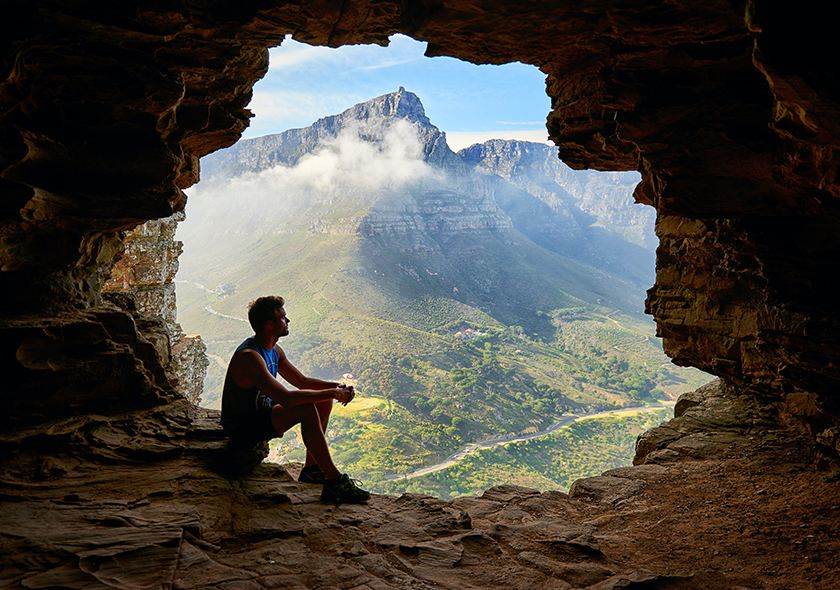

Diversity in Galapagos Islands continues to enthrall visitors today as it enthralled Charles Darwin two centuries ago. Located far beyond the Ecuadorian coast in the Pacific Ocean, this archipelago hosts one of the most diverse eco-systems in the world. Ever since it came into being, it has served as a home to a unique and amazing range of biodiversity. So, if you plan a trip to this island cluster, prepare to fall in love not just with the scenic landscape, but also its beautiful inhabitants.
Reaching this faraway destination could prove overwhelming. So, contact Flipside Leisure and we can discuss the various possibilities with you.
How Did Mankind Learn of These Islands?
These Pacific islands have been a part of the ring of fire even before they surfaced. Incessant volcanic activity caused magma to pile up and solidify into rock on the ocean floor. Layer upon layer of rock created a solid structure which burst above the surface of the water to form this archipelagos. Had it not been for a Spanish bishop whose ship was blown off course, these islands would have remained undiscovered, tucked away into the vast oblivion of the Pacific Ocean.
Back in the 16th century, those who viewed Galapagos Islands from a distance described them as being enchanted. Two centuries later, those who landed on the shores became awestruck by the diversity, and went on to formulate ground-breaking theories on evolution. So, when you visit these islands, not only do you step away from the fast-paced world, but also interact with various species which continue to evolve at their own pace.
Appreciating the Diversity in Galapagos Islands
To appreciate the diversity in Galapagos Islands, include the following aspects in your itinerary –
Aquatic Activities
Despite there being numerous islands, make it a point to stick to the large well-known and inhabited spots. These offer the best underwater experience while being safe. Tidal changes and temperatures can be dramatic owing to the confluence of five ocean currents. Therefore, plan your surfing, snorkeling and scuba diving trips with these factors in mind.
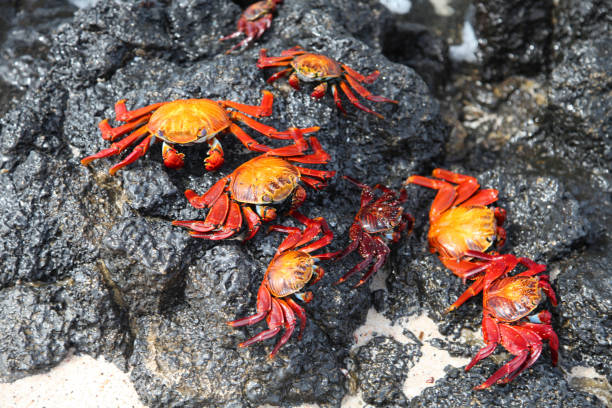
Travel to Santa Cruz Island, and about an hour’s walk would take you to the pristine and inviting Tortuga Bay. Laze around on the soft white sand of the beach with crabs scuttling around you. Swim in the clear blue waters amidst numerous sea creatures and nestling sea turtles. Further away is Las Grietas, a saline swimming pool enclosed within towering cliffs. Here you can float on your back while staring up at the walls of lava dotted with birds.
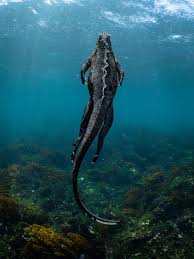
Courtesy of the diversity in Galapagos, you can swim with iguanas, meaning giant lizards that appear like mini dinosaurs. Marine iguanas – as they are popularly nicknamed – thrive around the Isabela Island, and and remain aloof and indifferent to human presence. Yet another natural sanctuary that you must explore is San Cristobal. At this island, you can surf, swim and snorkel with sea lions who just accept every visitor as a friend.
A Tryst with History
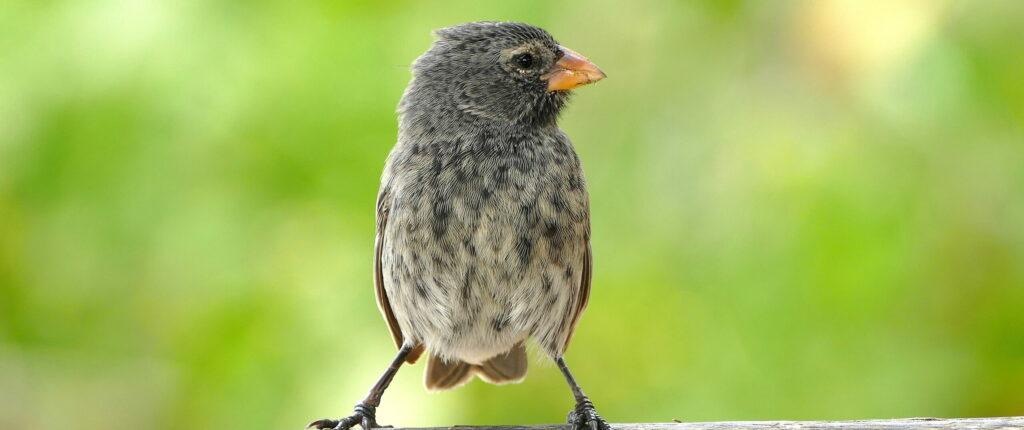
Records show that renowned researcher Charles Darwin spent only five weeks in these islands. That being said, diversity in Galapagos inspired him sufficiently to formulate the theory of evolution. He studied the finches, which later came to be known as Darwin’s finches, and based his iconic theories on these birds. Likewise, he also studied the tortoises, and even tried to ride one of the giant varieties, but failed. To commemorate his dedication, the Charles Darwin Research Station functions as a scientific facility that practices preservation and sustainable management.
Much of the archipelago’s territory falls under the Galapagos National Park and the Galapagos Marine Reserve, both of which aim to protect and preserve. Not only do these reserves ensure the safety of native species, but also conduct breeding programs and run rehabilitation centers.
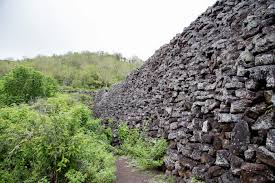
Take a break from the inviting beaches and the thriving wildlife to visit the Wall of Tears. During the first half of the 20th century, the penal colony on Isabela Island was home to thousands of slaves who were forced into manual labor. Wall of Tears stands as a testament to the arduous physical labor that the slaved endured while handling heavy lava rocks used to build this structure. Hard work coupled with unsanitary and pathetic living conditions caused many slaves to succumb during the construction.
Feathered Marvels
Darwinian finches notwithstanding, various other feathered creatures enhance color and diversity in Galapagos. What renders these bird species truly unique is that they have adapted to the local habitat and climate. This also explains how they have managed to endure through centuries in this particular local, while going extinct in other parts of the world.
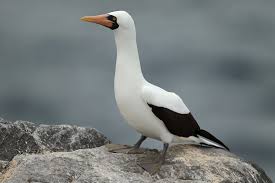
One bird specie that exists all across the archipelago is the booby. Its name has been derived from ‘bobo’, a Spanish word that translates to clumsy/silly in English. Three varieties of the booby differ from each other in terms of size and physical appearance. So, despite sharing some basic features, you can easily identify the smallest boobies as being red-footed. Likewise the medium-sized boobies sport blue feet, the purpose being to attract mates. Largest among the three – Nazca boobies – feature a plumage wherein the white feathers end up in black tips.
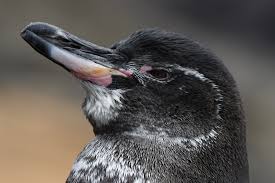
You might be shocked to find penguins hobbling around the beaches on Isabela and Fernandina Islands. While penguins commonly reside in the southern hemisphere, a single colony shifted north of the equator. They settled in the Galapagos Islands, and adapted to the tropical climate. Over the decades they also grew wings and differ from their southern cousins in terms of having a rosy parch around their beaks.
Cormorants also contribute to the diversity in Galapagos, and they swim rather than fly. The reason for this evolutionary change pertains to more food options being available in the water rather than on land.
Savoring Seafood
Along the waterfront in Puerto Ayora, on Santa Cruz Isle, the fish market sells an impressive variety of fresh seafood. Although the market starts buzzing at six in the morning, you can visit towards late afternoon for more rewarding results. Since the fishermen haul their catch ashore by noon, time your visit so as to be able to view the diversity in Galapagos on display. From the available options, buy fresh seafood of your choice as the best possible prices.
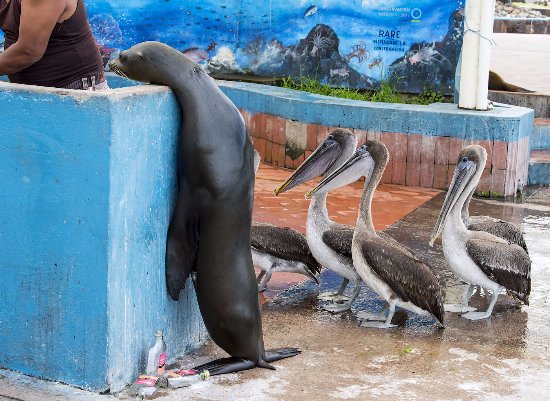
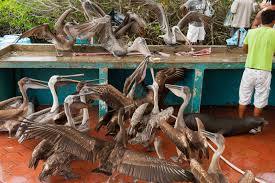
Having bought the lobster, tuna, sea bass or mackerel, get it cleaned by the vendor and watch the diversity in Galapagos come to life at the sight of fresh seafood. Exclaim with surprise as the seemingly lethargic sea-lions spring up from their comfortable seats and waddle over in the hope of getting a juicy bite. Do ensure that the pelicans lining the waterfront receive their fair share of the trimmings, and leave something for the frigatebirds that hover overhead. Then collect the cleaned-up fare to cook yourself, or take it to one of the stalls and get it cooked for a nominal charge.
Venture off the beaten track, and explore Baltra, which highlights the diversity in Galapagos by being devoid of both rocks and volcanoes. Because it surfaced due to the tectonic shifts, the island consists of a flat landscape dotted with cactus and Palo Santo tree varieties. Learn about the indigenous cultures at the research centers, till you come out on to the other side which is Puerto Villamil. Away from the hustle-bustle, at this locale find an isolated and comfortable sandy beach corner, and settle down to unwind in the company of flamingoes.
Volcanic Wonders
Being in the ring of fire implies the presence of volcanic features across the archipelago. it also implies that you would have plenty of opportunities to observe them up close. The most exciting hike as also the most strenuous is the Sierra Negra volcano, which erupted in 2018. On Isabela Isle, dedicate one entire day to hike up the 12-km trail that takes you to the crater and provides expansive views of the caldera.

In comparison, Bartolome Island presents a relatively easier option. You can hike up to Pinnacle Rock and return to the base within the hour. But brace yourself to encounter steep climbs through lava rocks, and a rewarding panoramic view from the summit.
Further emphasizing the diversity in Galapagos is the Alcedo volcano, which serves as a home to a large tortoise population. Devil’s Crown requires you to go snorkeling to discern an underwater volcano and a maze formed by lava tunnels.
Final Thoughts
During your visit, sip the native Galapagos coffee, which is basically Arabica with a local twist. Sip this organic beverage which is renowned the world over for its signature flavor. Another interesting hallmark is the Galapagos handshake. Local tradition requires this gesture to be practiced every time a visitor is about to climb into or out of a dinghy. Rather than grasp just the palm, visitors hold on to the boatman’s forearm, which ensures stability.
Experience diversity in Galapagos Islands with an experienced and reliable tour operator such as Flipside Leisure planning your holiday. Let us know the duration you wish to spend, and trust us to chalk out the most rewarding and thrilling itinerary for you.