Like other ancient sites, Peruvian heritage ruins offer a stark but nostalgic glimpse of a civilization that existed hundreds of years ago. Known as the Incas, they observed the sky closely to understand universal cycles, and lived in harmony with their surroundings. Even though many of the Inca settlements have now dilapidated or were destroyed by foreign invaders, the remnants echo advanced engineering expertise and proficiency.
Machu Picchu remains synonymous with the Incas, but did you know that there are multiple Peruvian heritage ruins that stand as equally strong testaments of their construction genius? To avoid crowds and explore the Incan heritage at your own pace, include the following venues to your itinerary –
Sacsayhuaman
Not far from Cusco, Peru, Sacsayhuaman offers an interesting opportunity to observe the Peruvian heritage ruins. Although it served as an Inca stronghold and a religious site and fortress in the 15th century, certain parts of the site appear pre-dated.
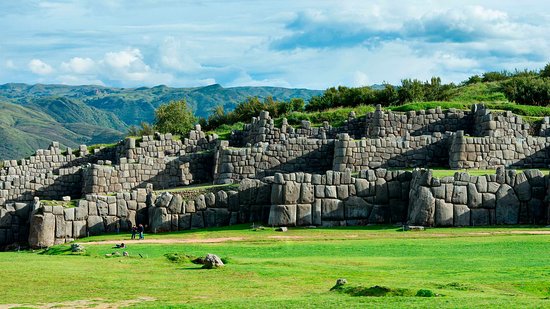
From air, Sacsayhuaman and Cusco resemble a puma, whom the Incas corelated with earth. While the ancient ruins in the north of the city serve as the head of the animal, the city itself – Cusco – denotes the body. View the zig-zag walls at the site from this perspective, and you would realize that these pointed stone walls represented the puma’s jaws and teeth.
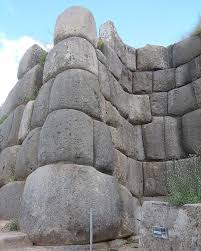
Being well-camouflaged, at first glance, Sassayhuaman reminds you of any Incan stone fortress. Take a closer look, and you are bound to marvel at the engineering ingenuity of the Incas in context of handling massive boulders. All the walls consist of irregularly shaped limestone rocks that were carried to the site and carved with precision to fit into each other. The outcome was a formidable stone structure that held together sans the tiniest of gaps or a binder.
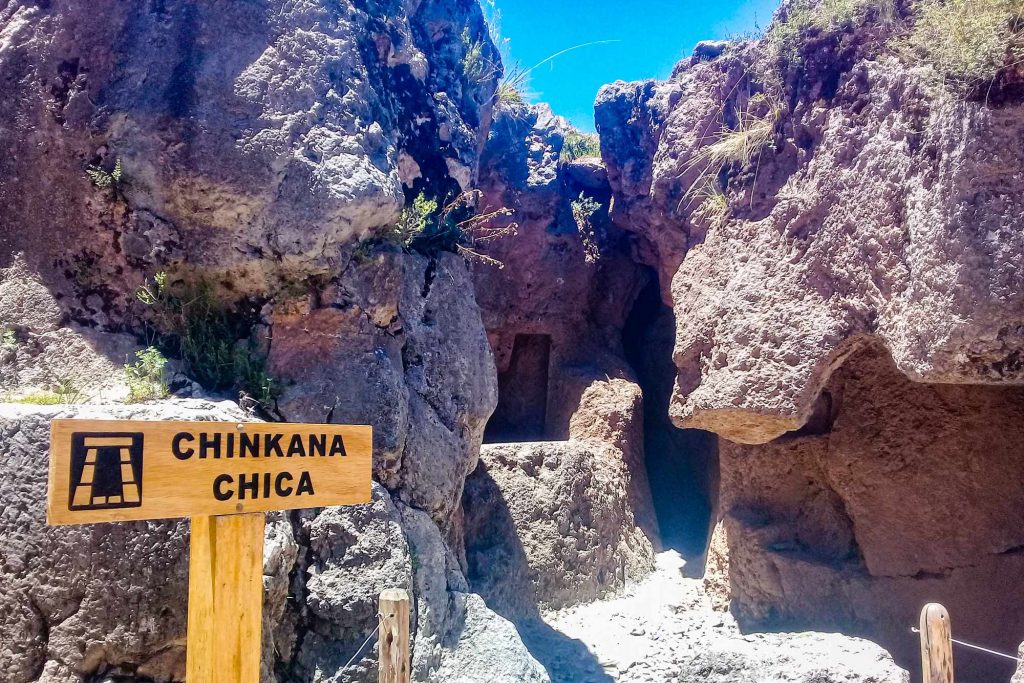
Wander around these Peruvian heritage ruins to check out the Inca throne, the three gateways, and the Inka bath. Venture underground to explore the Chincana network, a maze of tunnels that connect the site to subterranean Cusco.
Pisac
The Incas enjoyed a strong presence in Peru at the epitome of their rule, which explains the presence of multiple Peruvian heritage ruins. Visit one of the lesser-known Inca citadels at Pisac, which lies north of Cusco. Having reached the stone remnants, it is easy to guess why the formidable warrior clan chose this location. Stand on any of the ramparts and absorb the bird’s eye view of the surrounding areas. All that the Inca watchers had to do is to keep a look-out over what is now the town of Pisac and the emerald terraced fields, to spot a potential marauder.
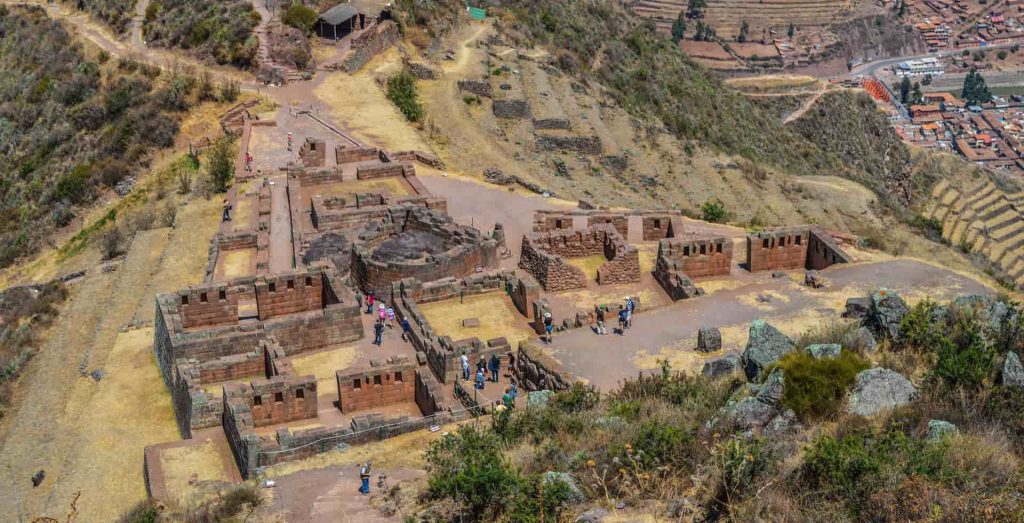

Back at the town, walk through the cobblestone streets and soak in the refreshing tranquil and cheerful vibe. Savor the peace till you hit the bustling local markets. Stroll through the colorful stalls to check out the local products ranging from wooden showpieces to alpaca clothing. Be sure to bargain while making a purchase.
In addition to the Peruvian heritage ruins, Pisac offers diverse attractions, particularly noteworthy being potato farming. Who would have thought that the ordinary potato could actually generate as much interest? Parque De La Papas allows you to experience potato farming firsthand, and also explore several of the 400+ different types that grow here.
Ollantaytambo
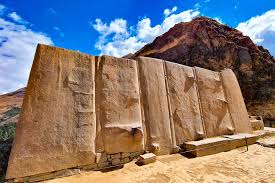
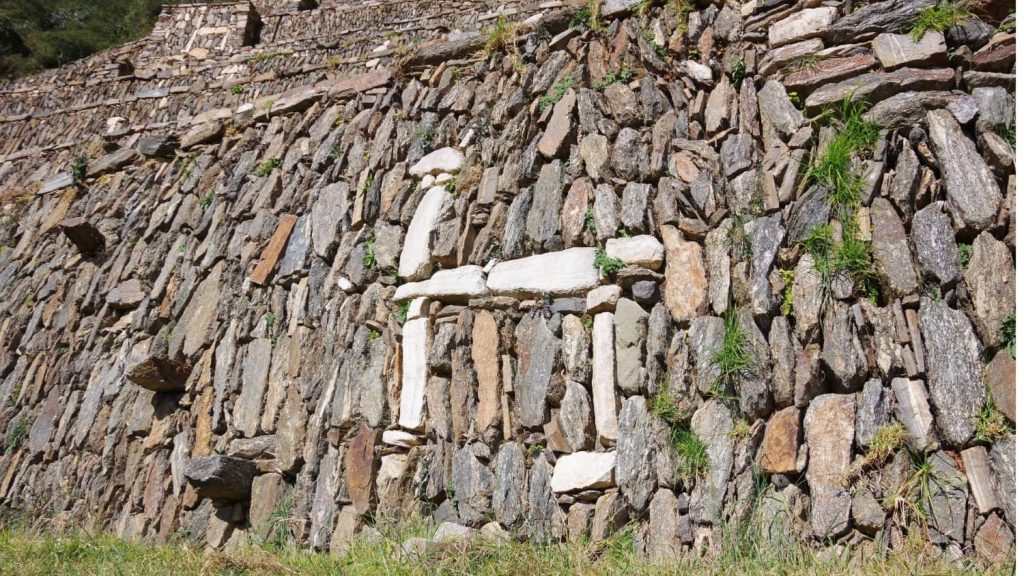
Peruvian heritage ruins at Ollantaytambo differ from other Inca sites owing to featuring limestones that carry a pink hue. Several other differences pop out too. For example, when you compare the other Inca ruins like Machu Picchu and Pisac, the steep slopes of the terraces at Ollantaytambo immediately grab your attention. Secondly, the town may resemble the other settlements that usually accompany Inca ruins, but carries a feeling of eternity. As per the legend, Ollantaytambo – contrary to the other Inca towns that remained totally uninhabited at times – always remained home to the descendants of the Incas and embodies continuity.
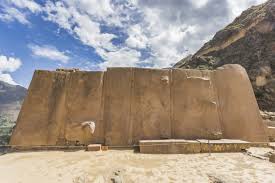
Alluring that the ancient charm of the town might be, you must make an effort to climb the steep steps to the Peruvian heritage ruins that occupy the crest. Look up at the alcoves to appreciate their symmetric layout, and notice the six monoliths that somehow appear incomplete. Historians claim that the construction using pink granite blocks was in progress when a conflict broke out, and was never resumed. An altar indicates daily worship of Inti, the Sun God, and the overall layout emanates an observatorial vibe.
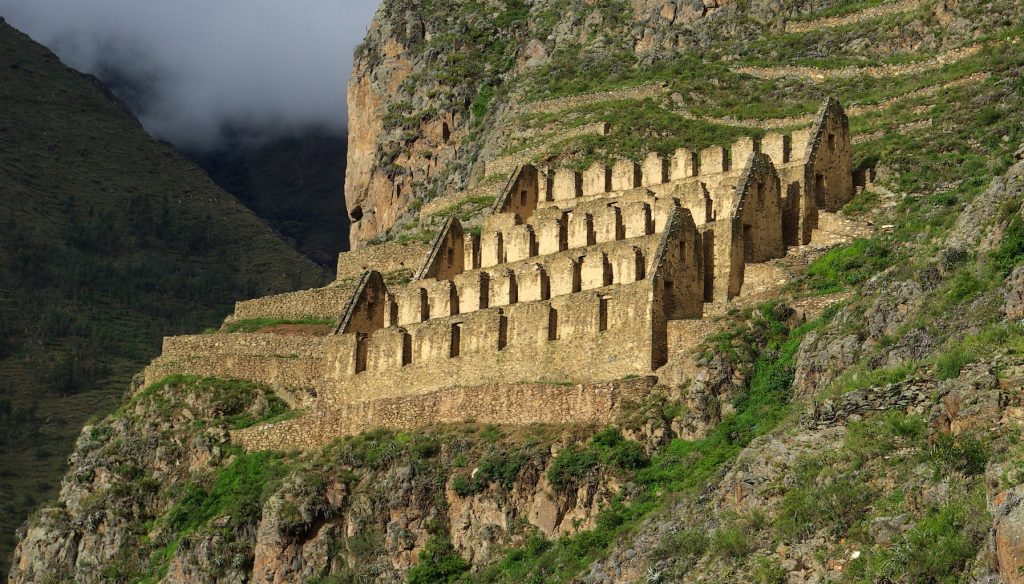
Look down upon the town from the rampart of the temple-cum-fortress, and you would soon figure out how Manco Inca annihilated the advancing Spanish army. By simply flooding the valley, the Inca leader caused Hernando Pizarro and his troops to retreat. In the process, he became one of the few Incas to have won against the invading army. Descend from the crest, cross the town, and ascend the opposite slope to check the granaries – qollqas – where the Incas stored their harvest.
Choquequirao
Towards the second half of the 16th century, the Incas had lost almost all their strongholds, including Machu Picchu, to the Spanish invaders. It was at this point that they retreated to Choquequirao, a settlement perched along the steep wall of the canyon carved out by the Apurimac River. Referred to a ‘Cradle of Gold’, this region served as one of the last bastions of the Incas, which explains why it appears as elaborate as Machu Picchu.
Owing to being remotely located in the Santa Teresa district, these Peruvian heritage ruins are not as crowded as the more well-known sites. Brace yourself for a somewhat arduous trek over at least 30 kms of undulating terrain before you hit the first settlement. Catch your breath because the Inca ruins at this site are totally one-of-a-kind.
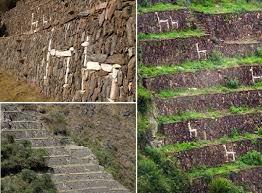
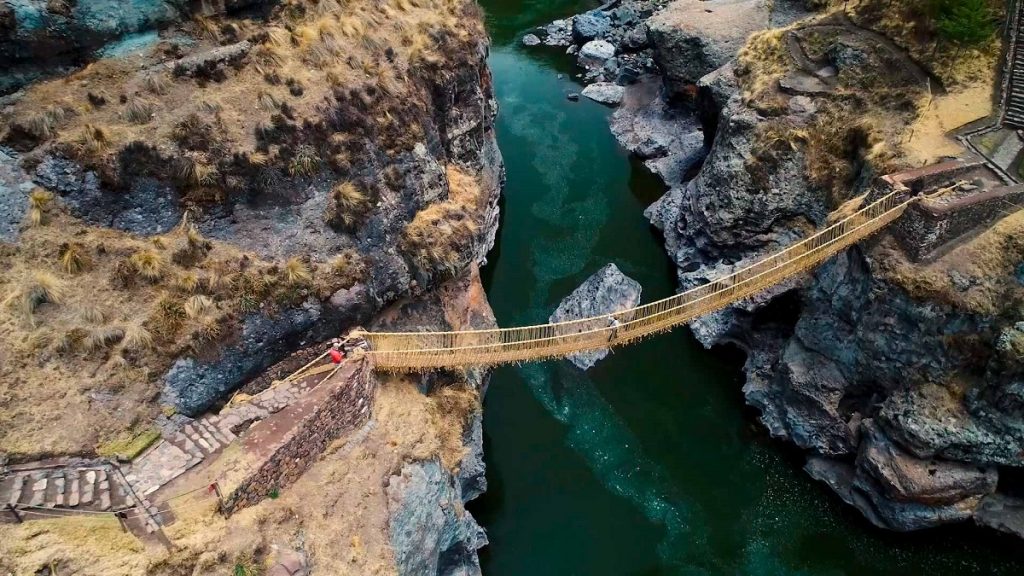
Stonework notwithstanding, the Incas also constructed long bridges out of straw. Q’eswachaka Bridge stands testament to the unique methods and techniques that the Incas used to commute over the river and the deep canyon. But, a truly unique highlight that drew attention to Choquequirao pertains to the llama terraces, which occupy the lower half of the settlement. Each of the 15 limestone terraces feature 24 quartz llamas being herded by a shepherd. Since all animal figurines face north, they probably denote the procession ‘Llama of the Sun’ which usually followed a below-average harvest.
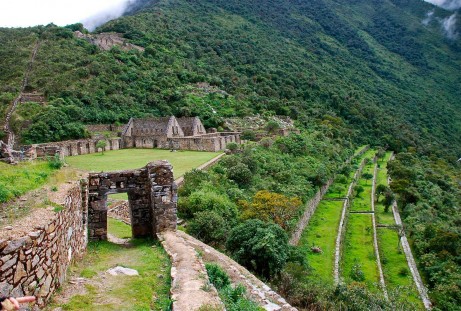
Trapezoid gateways at various points throughout the site prove that there were multiple sectors spread across the canyon. These served as administrative hubs and inhabitants observed cultural and religious norms that defined their race.
Qorikancha
While credit for most Peruvian heritage ruins in and around Cusco, Peru, goes to the Incan Emperor Pachacuti, Qorikancha stands out as one of the few exceptions. Located in Cusco, the Sun temple at this venue came into existence sometime during the 12th century. So, it was the renowned emperor’s predecessors who laid its foundation and constructed the basic structure. They employed the signature ashlar technique which defines all Incan structures.
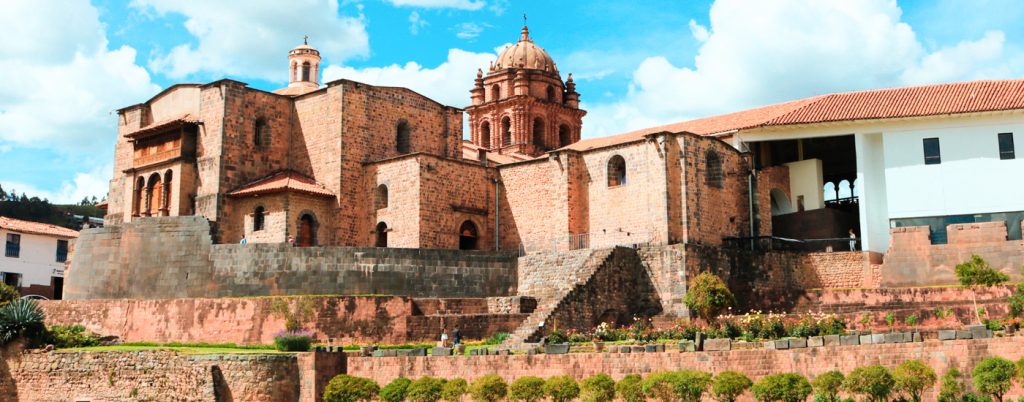
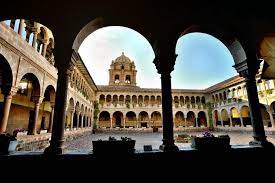
Thus constructed, the shrine served as an altar to worship the Sun God – Inti – and featured large plates of gold in its heyday. It also featured silver-plated chambers where the Moon Goddess was worshipped to seek blessings for farming and fertility. Other chambers revolved around the worshipping of stars, the planet Venus, the rainbow and the lightening. The fact that the rulers included major celestial bodies and events under the same roof proved their keen interest in anything related to the sky.
One of the most interesting aspects of this shrine is that the Spanish conquerors stripped away the precious metals to be shipped to their home country. Then they set up a convent dedicated to Santo Domingo in an effort to completely transform the original identity. They did succeed to a certain extent, except that they did not cater for natural disasters, specifically earthquakes, which the Incas had accounted for. As fate would have it, the region suffered two earthquakes which destroyed the convent, and exposed the intact Incan shrine once again for the world to revere.
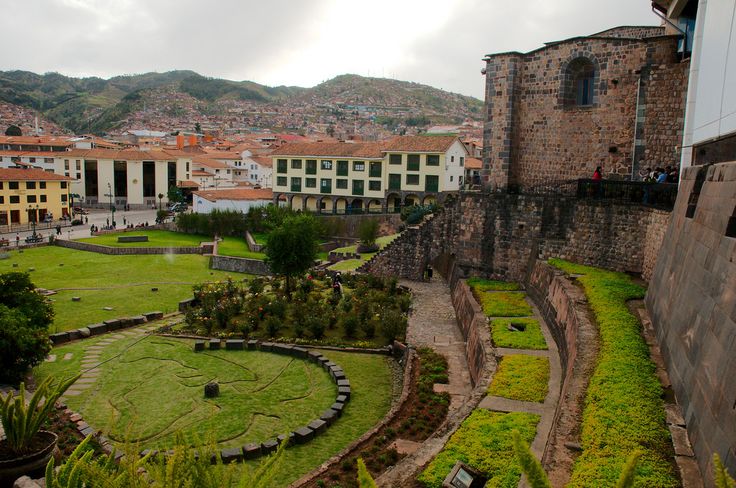
Venture beyond Qorikancha to stroll around the Solar Garden that still carries the leisurely vibe of the yesteryears. Overall, this is one of the Peruvian heritage ruins where Flipside Leisure would advise taking a local guide along to fully grasp its magnitude.
Moray
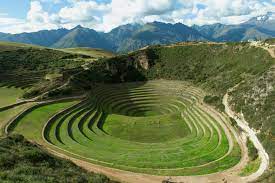
Apart from granite and quartz, the Incas also experimented with farming, their intent being to match the right crop with the right temperature. Gigantic circular terraces at Moray that have endured through centuries prove the Incan acuity in context of precision farming. Peruvian heritage ruins at this locale north-west of Cusco consist of massive sinkholes with chiseled broad terraces lending the feel of a contemporary stadium.
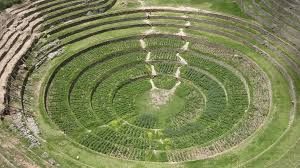
Position yourself at the edge of one of the three deep cones and peek down till you can discern the lowest point. Then gradually trace your eye upward from the bottommost point, lingering on each successive terrace as you ascend. What would immediately become apparent is the change in the types of crops every few steps. So, the Incas realized the colinear relationship between depth and temperature, wherein the deeper the terrace the lower the temperature. Accordingly, they planted crops that would grow well in the environ of the particular terrace.
Designing these deep and measured conical terraced holes required spatial ingenuity, a trait that reflected in every aspect of the Incan existence.
Final Thoughts
Fascinating that the Peruvian heritage ruins are, they attract plenty of inquisitive tourists throughout the year. Therefore, make your bookings as the first step of your travel plan. Also bear in mind that the Inca ruins lay nestled amidst a rocky terrain, which implies carrying sturdy footwear and a walking stick. Last but not the least, do not ignore the high altitude and acclimatize yourself well before undertaking any hike.
Flipside Leisure remains committed to providing you with genuine and accurate travel insights no matter where you plan to visit, including Peruvian heritage ruins. Our responsibility as a reputed tour operator ensures that your trip proves to be as rewarding as you envisioned.