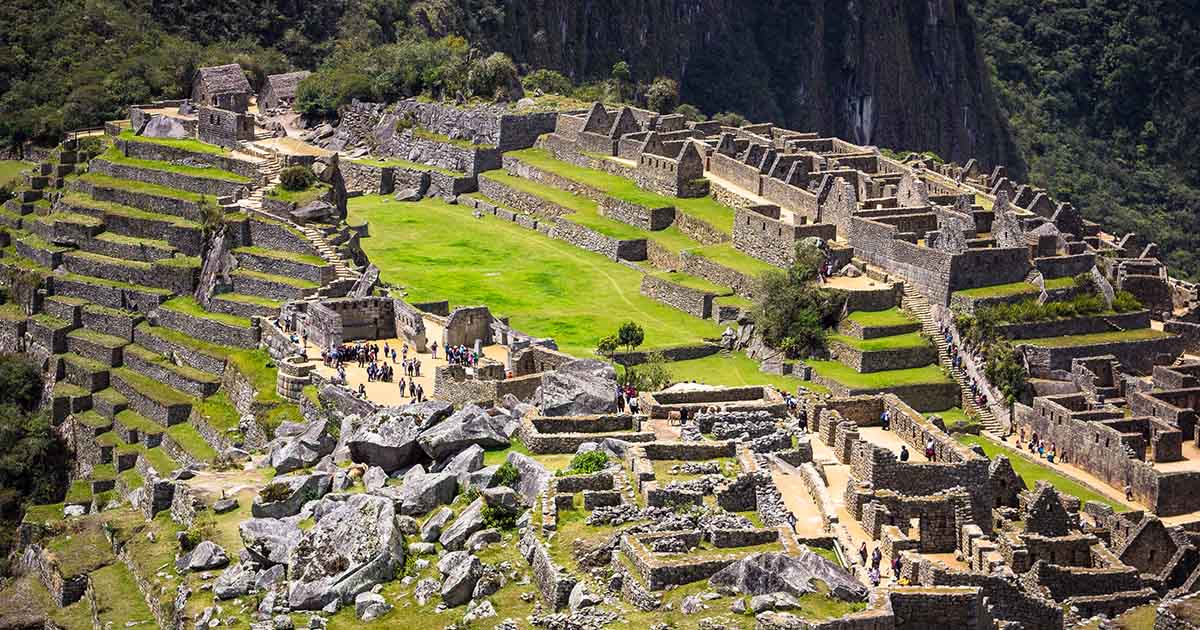
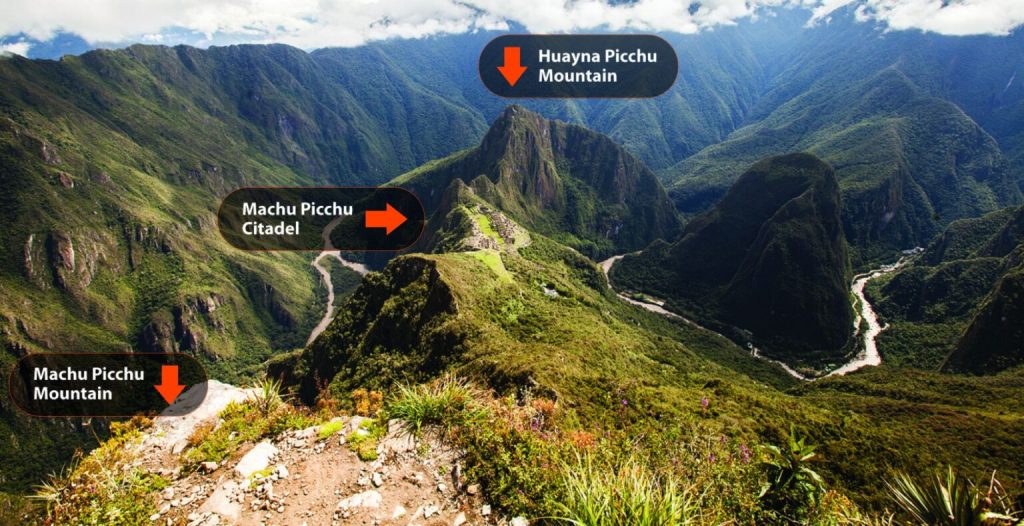
Squeezed between two steep Andean peaks, the Inca ruins at Machu Picchu, Peru, represent what was once a sprawling ancient civilization. Till date, it remains one of the supreme examples of ashlar technique of sculpting and stacking stones. With the Machu Picchu, or old peak, forming a steep wall on one side, the Huayna Picchu, or new peak, creating a formidable barrier on the other, the Inca ruins can easily escape an unsuspecting visitor. Due to being cleverly concealed, even the Spanish conquerors could not spot it when they invaded the region and overpowered almost all ethnic communities.
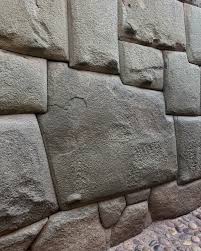
Credit for having planned the sacred city belongs to Pachacuti, the ninth and probably the most ambitious Inca ruler. Construction at these Inca ruins required granite blocks of various sizes to be sculpted to fit into each other. Therefore, regardless of whether it was the royal palace or a shrine, the method entailed fitting large blocks of granite together like pieces in a jigsaw puzzle without using a binder. As a result, each block remains free despite being a part of the whole, and bounces on being shaken by a tremor.
While Emperor Pachacuti intended the city to serve as his royal residence, it also doubled up as a venue that hosted important religious ceremonies. The Incas put their faith in celestial bodies, and regarded the Sun as the supreme force, a philosophy that finds ample representation in the city’s architecture.
Common Inca Jargon
Some terms that featured prominently in the Inca traditions were –
- Inti, the Sun God
- Pachamama, which meant Mother Earth
- Hanan, representing the higher echelons
- Hurin, or the lower levels
- Watana, meaning object
Hanan and Hurin echoed the social divide that characterized the Inca community. A centrally located plaza, water fountains and a stone staircase demarcated the two sectors, and have endured over the centuries to form a defining part of the Inca ruins today.
Noteworthy Inca Ruins at Machu Picchu
The Incas revered celestial movements, which explains why most Inca ruins served the dual purpose of being observatories and spiritual centers. Shrines that embodied faith in higher beings and served as annual calendars were –
Torreon – Temple of the Sun
Shaped like a ‘P’, this sacred structure stands as an embodiment of spatial ingenuity and brilliance that the Incas possessed. Its location in the Hanan proves that the structure served as the principal site for worship of Inti, the Sun God. However, given the overall layout, especially in terms of windows, it does emanate an overall feel of having been an observatory.
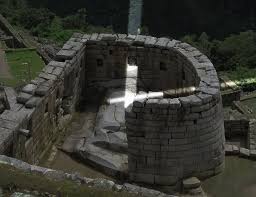
To access the temple, you need to cross a long granite platform till you reach the semicircular tower. Once within, observe how the solstice window catches the first rays of the sun on June 21st, and while doing so, it signals the beginning of the Inti Rayami celebrations. From this tower, the Incas followed the movements of other constellations too. The Quillqa window facilitated charting the course of various celestial bodies and star-clusters.
Presence of a chamber under the tower points at the space having served as a tomb. A carved altar consists of three steps, with each representing the three layers, namely, heaven, earth, and the underground. Together they formed the Chakana, or the Incan trilogy. This chamber was meant to connect the dead with the Sun God, and hence was constructed precisely below the temple.
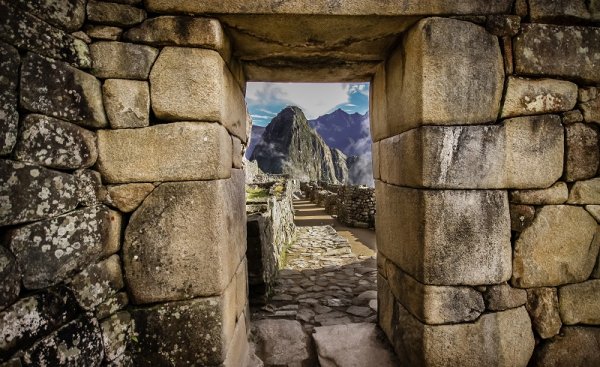
Back in the main chamber, check out how the Serpent door opens up to provide a panoramic view of the Huayna Picchu, the exact direction being 340 degrees north-west. Another attention-grabbing feature – the Snake Window – further amplifies the spiritual mysticism. Worshippers at the time stored precious stones in the holes surrounding the window-frame, as part of the ceremony.
Intihuatana
In Quechua dialect, ‘Inti’ represents the sun, and ‘watana’ translates to tying/hitching in English. Combine the two, and the outcome – Intihuatana – means tying/hitching the sun to an object. At Machu Picchu, the lost city in the Peruvian Andes, a granite block in what was once the Sacred Plaza serves as the object. Owing to its inclusion in the upper sector, the stone formed a part of rituals and held spiritual significance. However, take a closer look and you would soon realize that its importance extends beyond the religious persona.
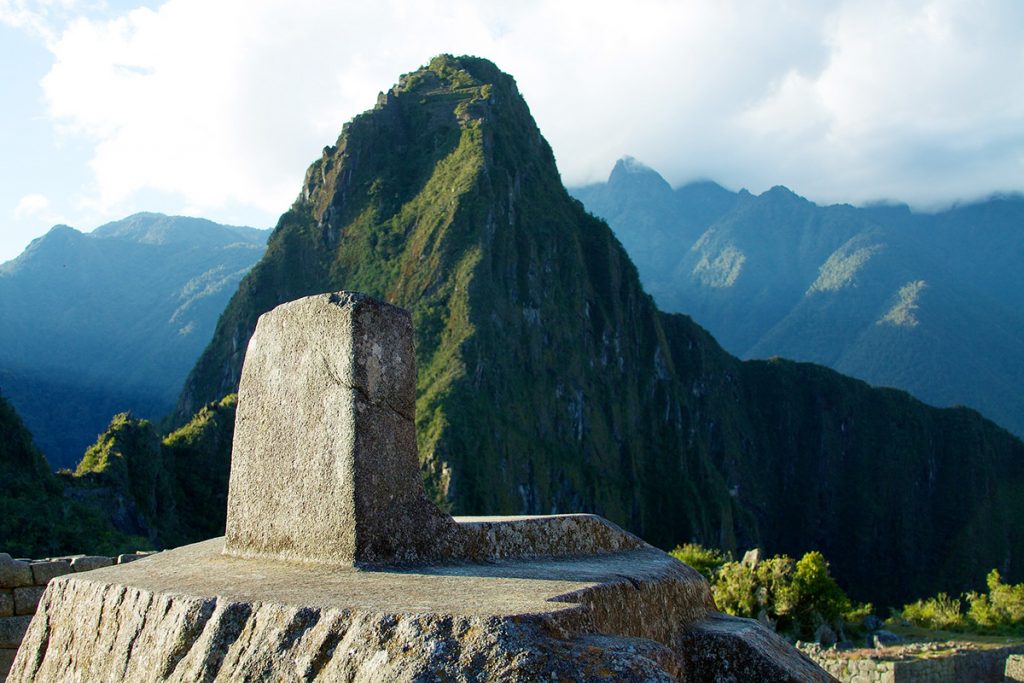
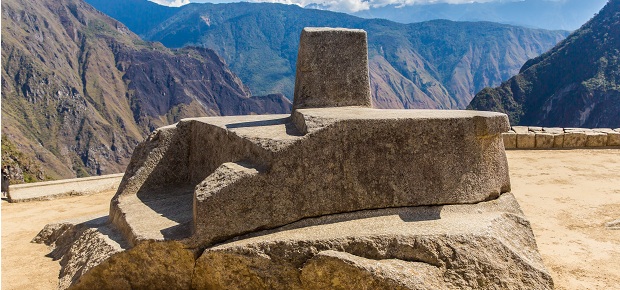
Carved from a single granite boulder, the Intihuatana ‘hitches’ to the sun on every equinox. On this day, the sun shines directly over the stone and does not cast any shadows. In this way, it remains tied to the structure, reinforcing the Incan belief that it would return every year. The four edges of the stone act as a compass that point at the four directions. At its peak, the Inca community relied on this thoughtfully constructed pillar to time solar and lunar cycles and plan agricultural activities.
Another reason you must check out this seemingly mundane portion of the Inca ruins is because it is the only one that survived the Spanish conquest. Because the invaders missed out Machu Picchu totally, the Intihuatana, along with other parts of the lost city, has endured till this day.
Temple of the Condor
As one of the natural inhabitants of the Andes in South America, the Condor is a large predatory bird sporting a bald head and huge wings. On being totally spread the distance from one wing tip to the other measures more than three meters. Along with llamas, the Andean Condor has been synonymous with the continent, and emanates a unique identity that most South American nations resonate with.
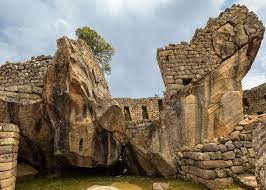
Back in the 15th century, the Incas worshipped these scavenger birds and treated them as sacred. To show their reverence, they constructed a temple featuring the bird as the main deity and performed rituals at the altar. Known as the ‘Temple of the Condor’, it occupies a portion of the lower – Hurin – portion of Inca ruins, and is flanked by chambers adjacent and under it. The massive sculpted head of the flying predator forms the focal point, with stone-sculpted wings rising upward on both sides.
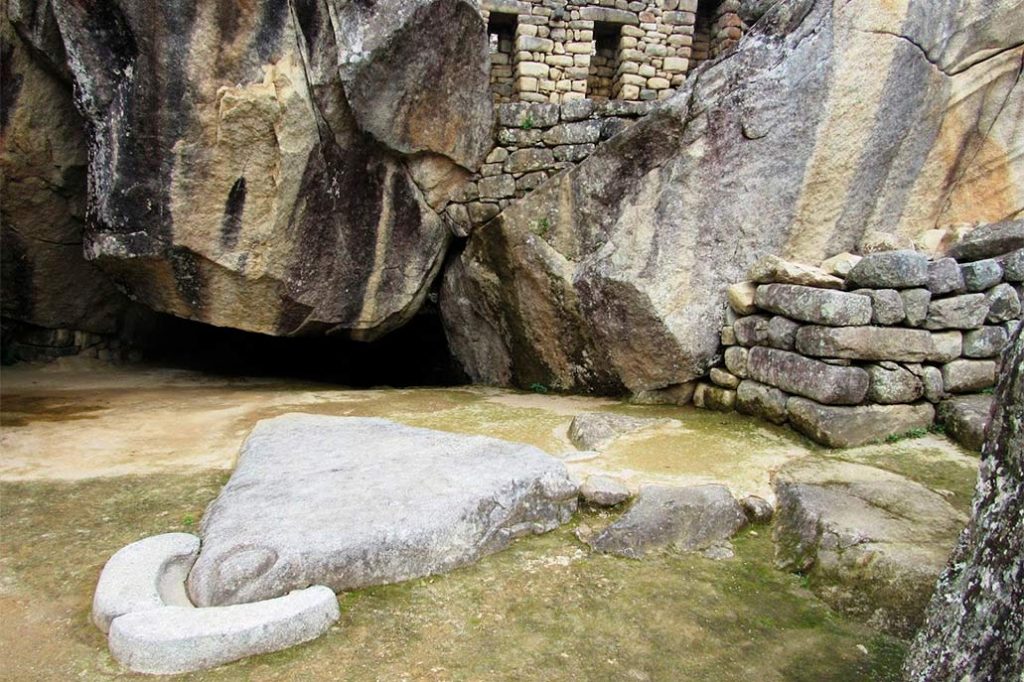
From the Incan perspective, the Condor stood for power, strength and resilience, probably due to its intimidating physique. It also represented a connection with the higher realms, and the divine. Therefore, its stone incarnation needed to be appeased through regular rituals and sacrifices, llamas being the first choice. While the stone releases a stark beauty, the adjacent chambers and dungeons underneath carry a mystical aura of sacrificial rituals.
Inti Punku
Located at a higher altitude, about an hour from the main Inca ruins, Inti Punku stands as a gateway that overlooks the entire hidden city. Positioned south-east of the settlement, it served as a checkpoint, and also as the first structure to receive the sun’s – Inti’s – rays. Punku translates to gate in English, thus implying that anyone coming into or going out of the main settlement had to pass through it.
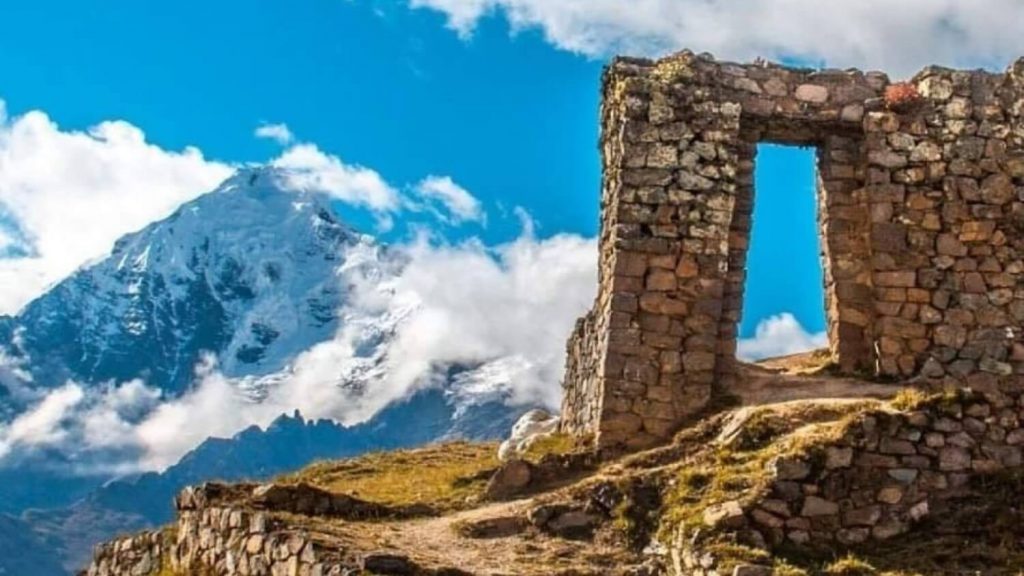
Try reaching Machu Picchu early in the morning, and then take the steep trail that leads up to this structure. After an arduous trek lasting for about an hour, you will have reached a viewpoint that offers a splendid view of the sun-rise, along with a bird’s eye view of the city below.
Temple of the Three Windows
Occupying the south-west corner of the sacred plaza in the upper – Hanan – sector, this temple stands as an embodiment of Incan acuity in context of masonry. Stone blocks that form the spacious main triangular chamber of this temple are not just the largest across the entire expanse of Inca ruins, but also polygonal. On the eastern wall, they form trapezoidal windows that open up to the rising sun.
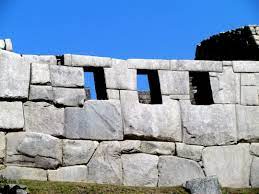
Several legends justify the presence of the three windows. One which is most widely accepted derives from the Incan philosophy of there being three realms, or Pachas. According to this theory, each window represents one pacha, namely Uku or underworld, Kay or earth, and Hanan or the heavens above. Together they highlight the trilogy that governed the Incan cycle of existence from birth till death.
A related line of thought suggests that the original structure might have featured five windows, but is still only a theory. Another explanation describes the three windows as personifying the Ayar brothers, who laid the foundation of this ancient civilization. As per myth, the windows stand at Tamputoq’o, the point at which the brothers surfaced. Later, they set in motion what would turn out to be one of the greatest ancient civilization in the world.
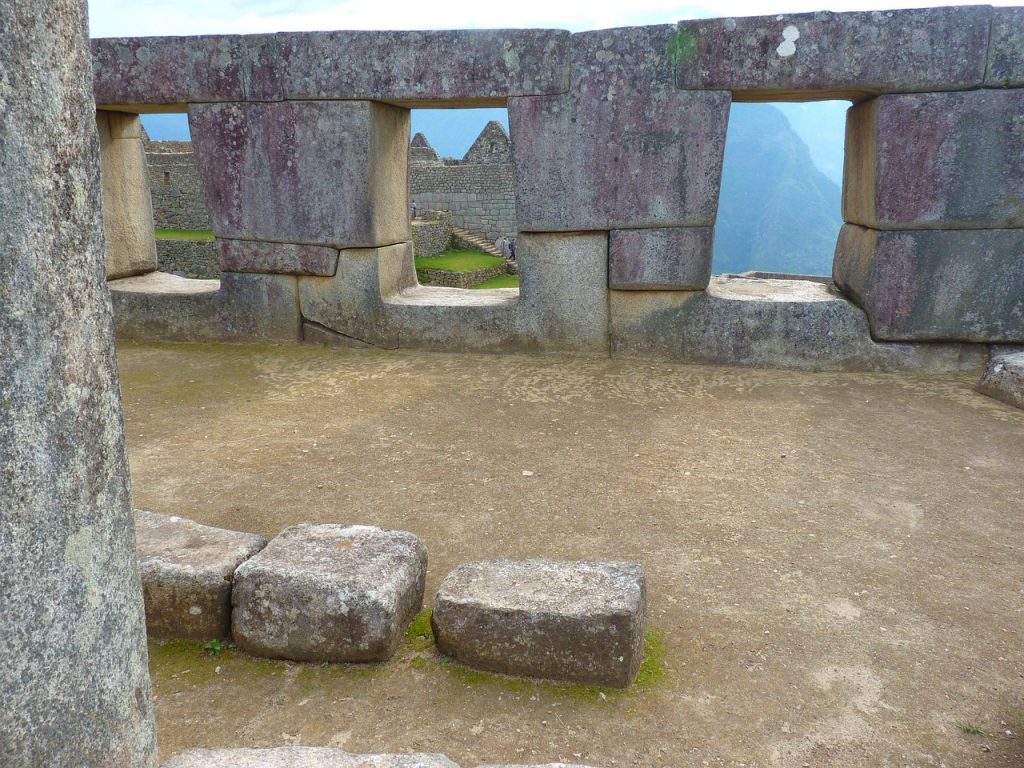
Legends notwithstanding, the windows offer a breath-taking view of the sunrise and underline the Incan obsession with solar events.
Final Thoughts
Your visit to Machu Picchu need not remain limited to Inca ruins. Endurance permitting, use the extra day or two to hike up to any of the Andean peaks. Huayna Picchu emerges as a popular option, but do brace yourself for a steep climb. Once you reach the summit, soak in the beautiful all-round view of the Inca ruins and the terraced rice fields. Consider Huchuypicchu in case you wish to settle for an easier trail, with almost the same view.
Lighten up from the historical legends by visiting the local markets, and check out ethnic products. Ride the llamas, and dig into the culinary delights prepared from freshly sourced indigenous ingredients.
Contact Flipside Leisure if you wish to experience the aura of ancient civilizations that the Inca ruins represent. Together we can chalk out an itinerary that takes you to Machu Picchu and beyond for an unforgettable holiday.