Ancient ruins connect us with the past, with our ancestors who walked the planet thousands of years ago. They represent civilizations that existed since the beginning of time, which laid the foundation for future societies through their acumen, beliefs and spatial intelligence. What you need to understand about ancient ruins is that these dilapidated remnants were once integral to a thriving and bustling community that survived on natural habitat. As early inhabitants, they closely observed and recorded the movements of celestial bodies, and in the process set the foundation for modern-day astronomy.
While ancient civilizations cropped up in different parts of the world, South America was the only continent that boasted of multiple communities that either co-existed in their individual domains, or succeeded each other. This explains why the continent features multiple sites of ancient ruins across its length, and even beyond into the Pacific Ocean. To experience the mysticism and laud the feats of past generations, plan a trip to any of these ancient ruins –
Quito, Ecuador
When you land in Quito, the capital of Ecuador, it is not just the equator and the volcanoes that lie in close proximity. The ancient ruins in and around this high-altitude city represent a civilization that existed just four centuries after the birth of Christ. Start with the largest as also the closest site, namely the Rumipamba, which offers an insight into the Quitu-Cara settlement and occupies a volcanic slope. Walk through this archeological park and spot all the remnants that marked this ancient civilization, like circular paths, agricultural lands, community centers, and a strong faith in astronomical events.
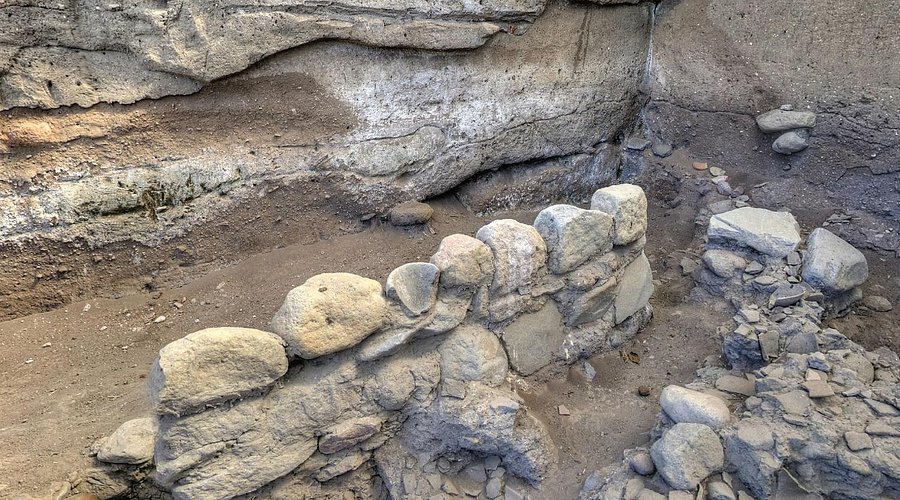
North of Quito and almost along the equator, ancient ruins named Pucará de Rumicucho indicate the importance that the native inhabitants attributed to self-defense. Credit for having constructed a vantage point goes to the Quitu-Cara natives. Much later, the Incas fortified the original structure with the intention of holding the altitude advantage over their enemies. In Quichua dialect, ‘Pucará’ translates to fort, ‘Rumi’ to stone, and ‘cucho’ to corner. Position yourself at any point at this stone-fort, and enjoy the all-round view of the volcanic peaks, valleys and much more.
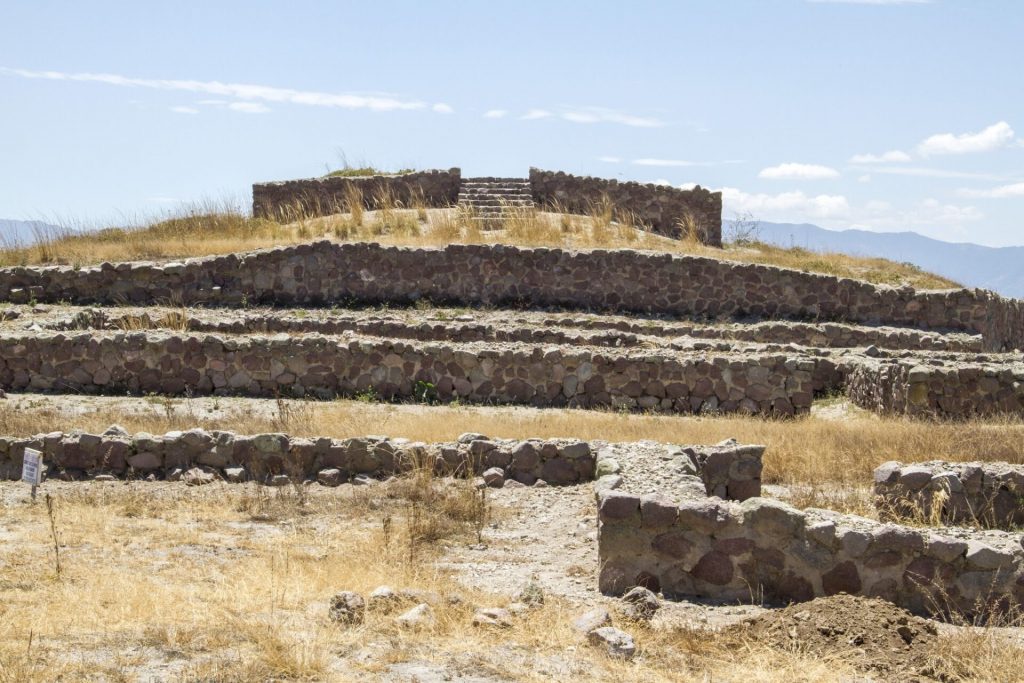
Another point of interest in northern Andes is Cochasquí, and you would have to deviate from the commonly followed itinerary to visit this Caranqui settlement. Ancient ruins at this site include a number of truncated pyramids, but more interestingly, burial mounds, namely ‘tolas’. Before being virtually wiped out by the invading Inca warriors, the Caranqui were an agrarian community and utilized volcanic soil for growing crops and construction. As it turns out, you won’t be the only one checking out the hundreds of earthen mounds – there would be plenty of llamas and sheep who treat these ruins as their home and give company.
Cueva de la Manos, Argentina
Think Argentina, and some brilliant soccer moves come to mind. But did you know that the ancient ruins in this South American country happen to be just as engaging? Travel south from the capital city of Buenos Aires down the Latin American cone till you arrive at the Santa Cruz province. Cueva de las Manos, meaning ‘Cave of the Hands’, stands testimony to the artistic streak that our cave dwelling ancestors possessed. Treating the chamber-walls as the canvas, they expressed not just their identity, but also their daily chores of hunting and gathering food.
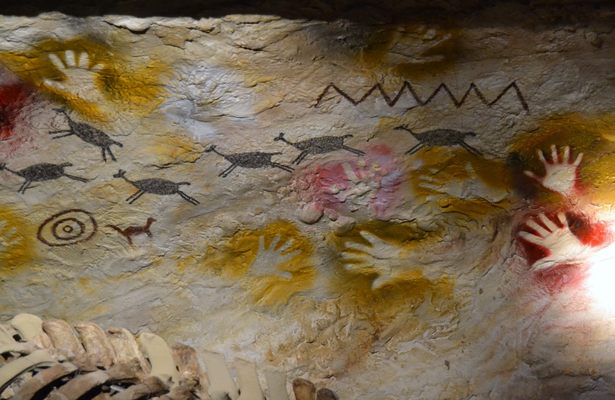
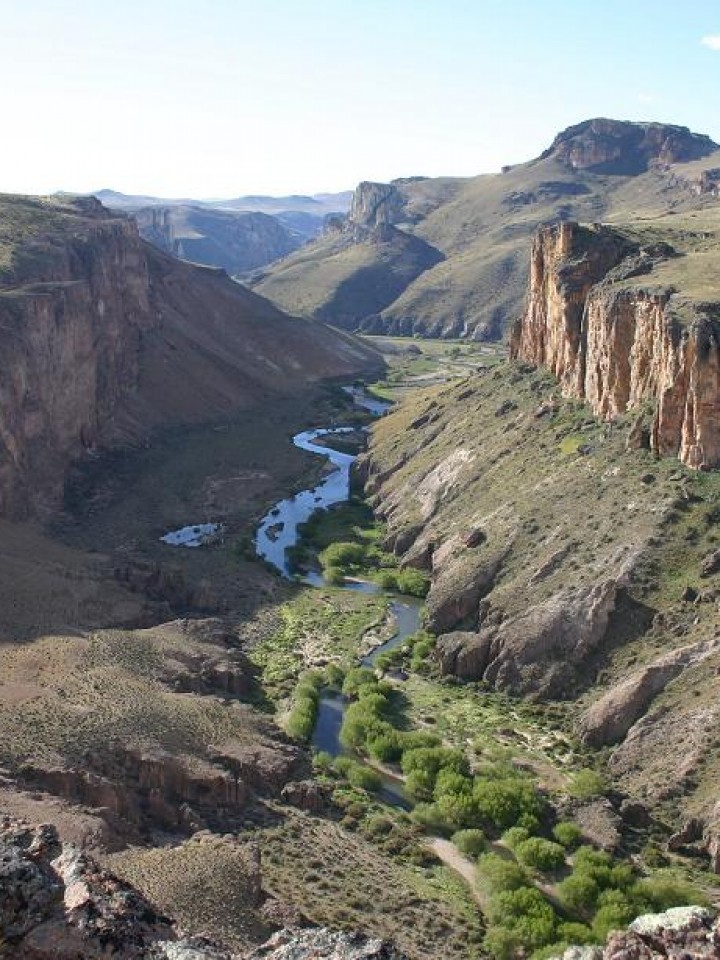
Accessing these ancient ruins calls for a bit of off-roading followed by a short hike. Settle down at one of the nearby towns, and plan a day-trip to the caves that occupy a small segment of a large forest-covered canyon. On reaching the caves, feel a tinge of connection with the early humans who blew natural pigments on to the rock-face through bone pipes thousands of years ago to document daily events. Owing to having been derived from nature, the color palette was limited to only a few colors. Likewise, the artwork consists of palm-prints, caricatures of wildlife native to the region, and scenes from everyday existence.
Flipside Leisure strongly recommends taking a guide with you, who would not just provide interesting historical anecdotes, but also an in-depth insight into the locale. Pick any one of the hiking trails along the gorge, and absorb the expansive view of the cliffs that tower over the Pinturas River. Stay alert to be able to spot the different flora and fauna that define the Andean landscape.
Tiwanaku Ancient Ruins, Bolivia
From La Paz, travel west till you reach the southern shore of the renowned Lake Titicaca. Tiwanaku village greets you with its traditional set-up and multiple sites that showcase the ancient ruins of a rich spiritual past. Inhabited by the Aymara, an indigenous Latin American community, this village acts as a gateway to the ruins of what was once a sacred space with deep spiritual connection.
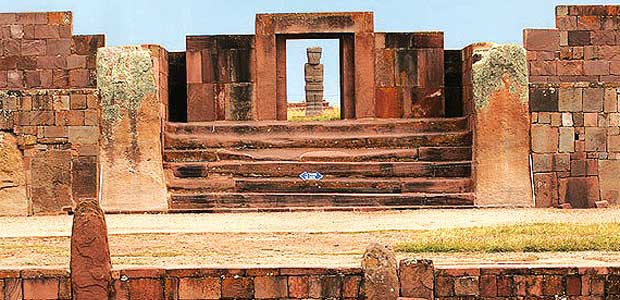
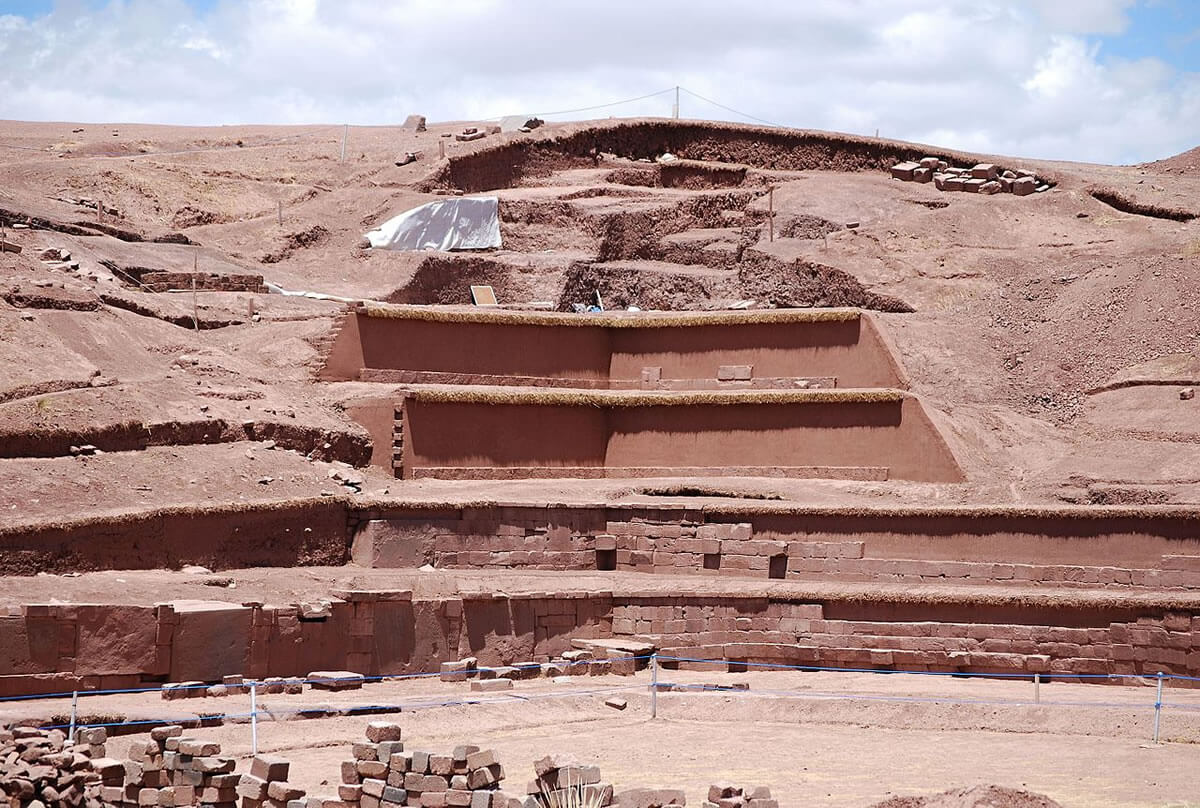
Almost two centuries before the Incas made their presence felt, the Tiwanaku Empire ruled the region. The Kalasasaya shrine, consisting of a large rectangular platform built of stone, served as the main religious venue. Climb up a flight of stone steps to walk onto the main hall which is surrounded by high stone walls and also features a monolith with calendar markings around the ‘Doorway God’. From the deck of the shrine, natives followed the movement of the sun, and celebrated the sun-related events of solstice and equinox. This legacy continues till this day, when the village community celebrates June 21st – the summer solstice – as their new year at this ancient monument.
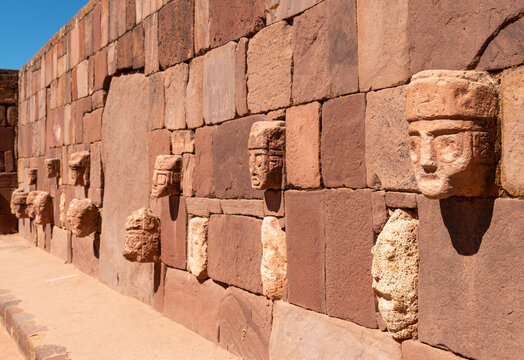
Move on to Akapana, a seven-tier engineering marvel, which embodied the civilization’s reverence for celestial bodies. Check out the ingenious water management system that begins at the pyramid’s peak and runs downward across the popular Andean motifs till the base. Other ancient remnants at this remote locale feature Pumapunku, the intricately carved and fitted blocks of stone, and an underground shrine adorned with stone-wall sculptures.
Moai, Rapa Nui, Chile
Located more than 2000 kms beyond the western coast of Chile, Rapa Nui, popularly known as Easter Island, features ancient ruins in form of stone statues. Travel across the Pacific Ocean from the Chilean capital, Santiago, to admire the masonic skills of the ethnic community, which has endured to this day.
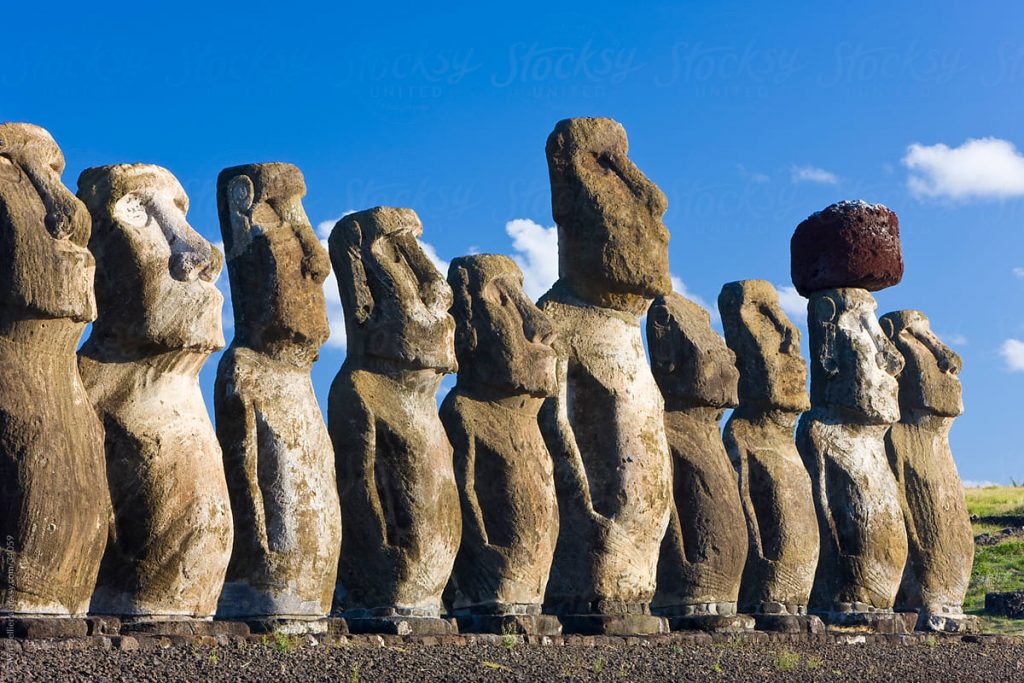
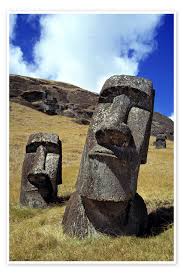
Along the shoreline of the Pacific stand almost 1000 huge stone statues that represent the deceased ancestors of the native inhabitants. Collectively known as the Moai, these ancient ruins immediately grab attention owing to being disproportionate while echoing traditional beliefs. Considering the fact that the Rapa Nui community wished to commemorate their revered members, the statues feature huge heads, the idea being to highlight their importance and stature. In some statues, the large head also carries hair-do carved out of red volcanic rock. Facial features that mark all stone sculptures pertain to a long nose to match the size of the head, and sunken eyes.
Measuring around 13 feet, the Moai were carved out of volcanic rock at the Ranu Raraku quarry around 13th century. Observe these ancient ruins closely, and you would realize that they have been carved out of a single large block of stone. Also, all the statues face inward from the shore, thus indicating that they were meant to serve as guardians of the community occupying one of the most isolated Pacific islands.
Other attractions on this faraway island include volcanoes, a rocky coastline, plenty of ethnic music and dance, and of course tattoos.
Ciudad Perdida, Colombia
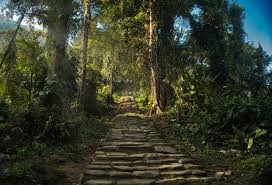
Translating to ‘Lost City’ in English, these ancient ruins surfaced sometime during the second half of the 20th century. While foraging for treasures, a bunch of local trophy hunters tumbled upon a flight of stone steps leading up to Santa Marta. What followed was an investigation that revealed the presence of ancient ruins of a full-fledged city that the Tairona had constructed more than six centuries before the Incas arrived.
Further questioning revealed that the descendants of the Tairona, who still live in the region under different indigenous names, always knew of its existence. They refer to it as ‘Teyuna’, as a way of honoring their ancestors for their skillful organization.
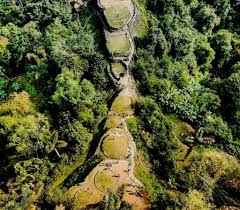
On being fully excavated, the site revealed an urban center that consisted of hundreds of stone terraces lined along paved roads. Presence of an elaborate drainage system and terrace farming indicated an agrarian society which valued an alloy of gold and copper. Fishing also served as one of the mainstream professions, given the area’s close proximity to the coast. A flight of stairs connected the settlement to a plaza that hosted gatherings during events and ceremonies conducted by shamans.
To view these impressive ancient ruins, travel on foot through the thick forest cover armed with sturdy gear and protective clothing. Let the local guide lead you through several villages, help you wade across streams, and climb up endless number of stone steps. Arduous that the trip is, it demands endurance, but after four days, rewards you with an astonishing vista of ancient ruins of the ‘Lost City’.
Final Thoughts
Enticing though the ancient ruins might be, you must prepare for the trip to the Latin American continent well in advance. Begin by learning Spanish/Portuguese or both to be able to fully grasp the guide’s monologue, and for interacting with the locals. While you can dig into the local cuisine, strictly stick to bottled water for keeping yourself hydrated. Also bear in mind sharp temperature fluctuations, and pack to cater for all weather conditions. Stick to the basic rules of travel, and you will have experienced a journey which is both safe and satiating for the senses.
To visit any of the ancient ruins in South America, reach out to Flipside Leisure and seek details about the area of interest. Not only will we provide you with detailed information, but also lay down clear guidelines that would guarantee a memorable holiday for you.